
In the world of BBQ and seafood, the very thing that makes the food delicious—the oils, fats, and sauces—is also the greatest source of guest discomfort. Gastronomy research in 2026 suggests that “Haptic Friction” (the physical discomfort of sticky hands) can lead to a 15% faster “dwell time” exit. Simply put: if a guest feels messy, they stop ordering drinks and ask for the bill sooner.
Traditional solutions like dry paper napkins or lukewarm finger bowls are failing the modern diner. Napkins often shred, leaving paper lint stuck to greasy fingers, while finger bowls are perceived as unhygienic in a post-pandemic landscape. For BBQ pits and seafood shacks, the transition to industrial-strength, high-absorbency wet wipes is the most significant operational upgrade available today.
The Physics of Degreasing: Why Material Matters
Most wholesale wet wipes are made of thin (30 GSM) synthetic spunlace. While these may work for a light cafe meal, they fail catastrophically in a “High-Grease” environment.
- Emulsification vs. Smearing: Synthetic fibers are hydrophobic (water-repelling). When they hit grease, they essentially “push” the oil around the skin. Wipeful’s 100% Wood-Pulp is naturally hydrophilic. Its porous structure acts like a microscopic sponge, pulling the oil away from the skin and locking it into the fiber core.
- GSM Density: For BBQ and seafood, anything less than 50 GSM is insufficient. A high-density towel provides the “mechanical scrub” needed to break through heavy sauces (like molasses-based BBQ or butter-heavy seafood dips) without tearing.
- Large Format (14x20cm): A standard small wipe requires a guest to use three or four to get clean. A single, large-format Wipeful towel provides enough surface area to clean the entire palm, fingers, and even the face.
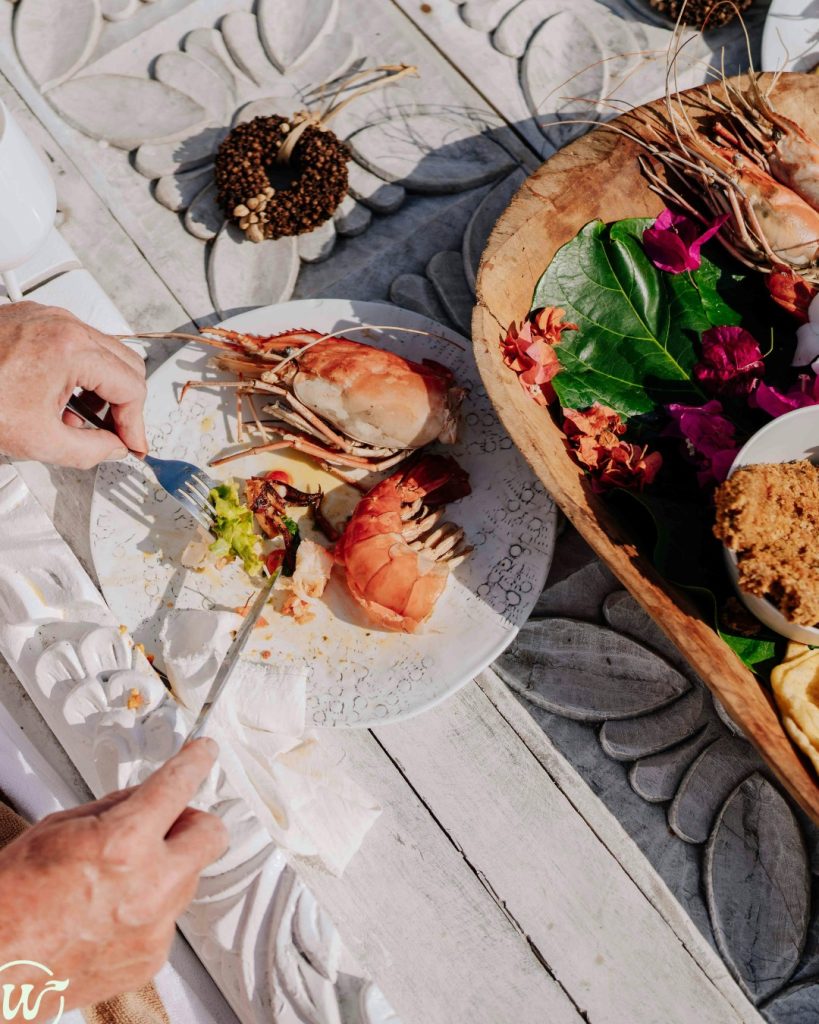
Case Study: The Seafood “Final Impression”
We recently analyzed a high-volume lobster shack that switched from standard lemon-scented thin wipes to Wipeful’s 50 GSM Mineral-Scented Wood-Pulp.
- The Result: The restaurant reported a 22% reduction in total napkin consumption.
- The Psychology: Because the Wipeful personlized wet wipes worked on the first try, guests stopped grabbing handfuls of dry napkins. Furthermore, the mineral scent was specifically chosen to neutralize “fishy” odors (using citrus and ozone notes) rather than just masking them with heavy perfumes.
The Economics of the “One-Wipe” Rule
Procurement officers often focus on the “Price per Unit,” but the savvy operator focuses on the “Price per Clean Guest.”
| Metric | Cheap Synthetic Wipes | Wipeful 50 GSM Wood-Pulp |
| Units per Guest | 3 to 4 | 1 |
| Wastage | High (Guests take extras) | Low (Perceived value is high) |
| Cleanliness Score | 4/10 (Smears grease) | 10/10 (Lifts grease) |
| Brand Impression | “Disposable/Cheap” | “Premium/Attentive” |
| Real Cost per Guest | Higher | Lower |
By providing a single, high-quality solution, you reduce the volume of waste hitting your bins and your bottom line.
Scent-Pairing for High-Grease Menus
In 2026, scent pairing is no longer just for fine dining.
- BBQ (Smoky/Heavy): Look for Cedarwood or Highland Forest scents. These earthy notes complement the smoke of the wood-fired grill without clashing.
- Seafood (Briny/Light): Bergamot or Sea Salt & Sage are the industry standards. They provide a “Bright” finish that cleanses the palate and the hands simultaneously.
Conclusion: Engineering the Recovery
The end of a messy meal is what psychologists call the “Peak-End” moment. If the final thing a guest remembers is struggling with a pile of shredded, greasy napkins, that is the memory they take home. If the final moment is the relief of a cool, thick, beautifully scented towel that actually works, that is the “Brand Anchor” that brings them back.
For BBQ and Seafood establishments, Wipeful isn’t just a wipe—it’s the final step of the recipe.