
In the highly competitive landscape of 2026 gastronomy, the battle for guest loyalty has moved beyond the palate. While visual aesthetics and culinary innovation remain foundational, the industry’s leaders have identified a “hidden” dimension of hospitality: Olfactory Branding. As we move deeper into this decade, the use of unscented wet wipes is increasingly viewed not as a neutral choice, but as a missed opportunity for brand reinforcement.
Modern diners do not just consume a meal; they consume an atmosphere. Research into sensory marketing ROI has reached a tipping point, revealing that the scent left on a guest’s hands at the end of a meal is the most durable memory-anchor a restaurant can provide. At Wipeful, we have moved beyond simple “cleaning” to “Atmospheric Engineering,” helping restaurants leverage the neurobiology of scent to turn a single visit into a lifetime of loyalty.
The Neurobiology of the Scented Touch
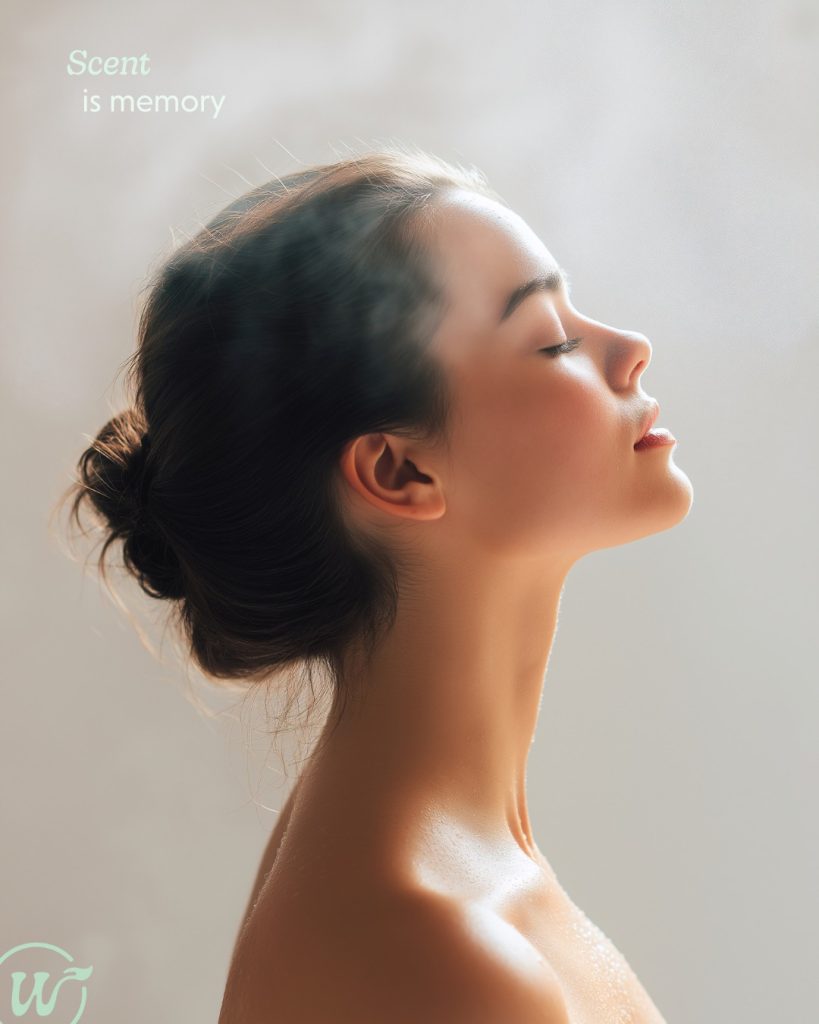
To understand why scent marketing is so effective, we must look at the human brain. Smell is the only one of our five senses that has a direct, unfiltered route to the limbic system—the region responsible for emotion, memory, and motivation. Unlike visual or auditory data, which must be processed by the thalamus before reaching higher brain centers, olfactory signals trigger an immediate emotional response.
This “Neural Shortcut” is the reason why a specific aroma can instantly transport a person back to a childhood memory or a specific vacation. In a restaurant context, when a guest uses a Wipeful scented towel, the fragrance bypasses their rational filters and embeds the brand’s identity directly into their emotional memory. Studies in 2025 and 2026 have confirmed that scent recall remains as high as 65% after one full year, whereas visual recall for a logo or interior design often drops below 50% after just three months. By ignoring the olfactory touchpoint, a restaurant is essentially allowing its brand memory to evaporate.
2026 Trends: The Shift to “Quiet Luxury & Olfactory Safety”
The scent landscape of 2026 has evolved away from the overpowering, synthetic “Lemon” or “Lavender” fragrances of the past. Today, the trend is “Quiet Luxury & Olfactory Safety.” Conscious consumers are seeking “Skin Scents”—fragrances that feel natural, transparent, and non-intrusive.
- Transparent Musks: These provide a sense of familiarity and “skin-like” warmth, making the guest feel safe and cared for.
- Mineral Freshness: Notes of ozone, rain, and wet stone communicate a high standard of cleanliness (Indoor Environmental Quality) without the use of harsh chemicals.
- Soft Woods: Cedarwood and Sandalwood offer a grounding, stable base that complements the modern “Live-Fire” cooking trends (char, smoke, and flame) currently dominating the Michelin-tier restaurant scene.
Wipeful’s 2026 collection is built on this philosophy of “Olfactory Safety.” We utilize functional fragrances that are designed to be universally accepted, even by scent-sensitive individuals, ensuring that your branding is inclusive and professional.
The Economic ROI of Olfactory Branding
For procurement officers and restaurant owners, the decision to implement custom scented wet wipes is driven by measurable data. The business impact of a well-executed scent strategy is significant:
- Increased Dwell Time: Guests tend to linger longer in pleasantly scented environments. A longer stay often correlates with higher secondary sales (desserts, coffee, digestifs).
- Enhanced Brand Image: Scented amenities increase the “Perceived Quality” of a venue. Guests equate a curated scent with a higher level of attention to detail across the entire operation.
- Reduced “Pain of Payment”: The end of the meal is the moment of the transaction. By introducing a refreshing, scented towel precisely as the check arrives, you replace the psychological stress of “payment” with a “sensory reward,” leading to higher satisfaction scores and better tips for staff.
A comprehensive study by Initial and Aire-Master in 2025 indicated that professional scenting leads to a 24% increase in brand image and a 27% boost in customer satisfaction. In an era where online reviews dictate table occupancy, these margins are the difference between a struggling venue and a booked-out destination.
Scent Pairing: The New Frontier of Menu Engineering
Just as a sommelier pairs wine with a dish, the modern restaurateur must pair scent with their cuisine. A mismatch between the meal’s flavors and the wipe’s fragrance can create “Cognitive Dissonance.”
- For Seafood & Acidic Cuisines: Sharp, mineral-heavy citrus notes (Bergamot, Iced Lemon) are essential for neutralizing mineral odors and providing a crisp finish.
- For Steakhouses & Umami-Rich Menus: Deeper, woody notes (Sandalwood, Hinoki) harmonize with the savory, meaty profiles of the food.
- For Casual & Brunch Venues: Floral and herbal notes (Mint, White Tea) foster an environment of energy and social refreshment.
Technical Excellence: The Wipeful Diffusion Standard
The effectiveness of scent marketing depends entirely on the delivery mechanism. A low-quality wipe will lose its fragrance within seconds of being opened, or worse, smell of chemical alcohol. Wipeful uses a proprietary tri-laminate barrier foil that locks in essential oils for up to 24 months. When the sachet is opened, the fragrance is released in a controlled “burst,” ensuring that the guest experiences the top, heart, and base notes of the scent as intended by our perfumers.
| Feature | Wipeful Scented Towels | Generic Synthetic Wipes |
| Substrate | 50 GSM FSC Wood-Pulp | 30-35 GSM Plastic Spunlace |
| Fragrance Source | Cosmetic-Grade Essential Oils | Synthetic Masking Agents |
| Persistence | 10+ Minutes of Active Scent | Rapid Evaporation (<2 mins) |
| Skin Safety | pH-Balanced / Alcohol-Free | High Alcohol / High Irritancy |
| Branding Impact | Sensory Anchor | Utility Item (Disposable) |
Expert Recommendation: The “Scent Rotation” Strategy
To prevent “Scent Fatigue”—where regular guests stop noticing the aroma—we recommend a seasonal rotation. By switching from a fresh Citrus in the summer to a warm Amber or Wood in the winter, you keep the sensory experience “novel” for your returning VIPs. This small change signals to the guest that the restaurant is alive, evolving, and attentive to the changing seasons.
Conclusion: Making Scent a Strategic Asset
In 2026, a restaurant that doesn’t have an olfactory strategy is a restaurant that is partially invisible to its guests. Scent is the “Final Impression” that leaves the table with the customer. It is the silent ambassador that continues to work for your brand hours after the meal has ended.
By choosing Wipeful’s custom branded and scented wipes, you aren’t just buying a cleaning product. You are investing in a sophisticated marketing tool that bridges the gap between hygiene and high-level brand psychology.